
Best crypto cards with token rewards in 2025

EtherFi Cash Card
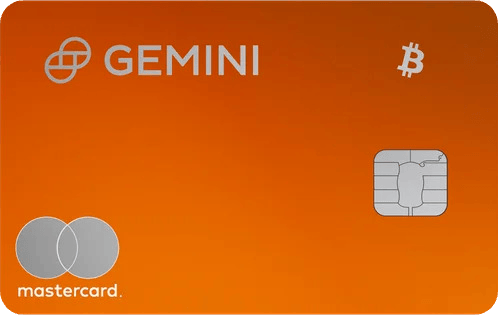
Gemini Credit Card
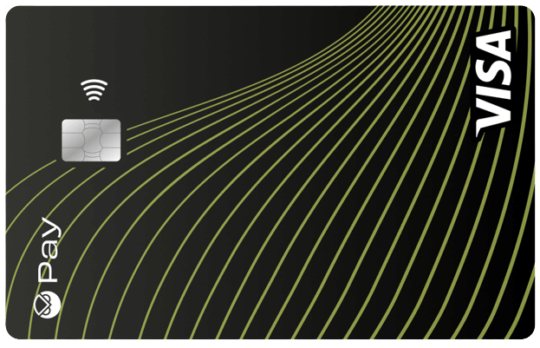
Gnosis Pay Card
Top crypto rewards cards
-
We reviewed the top crypto credit and debit cards to see which ones actually deliver value once fees, caps, and token risks are factored in. Our focus is on effective rewards, not marketing promises.
-
Some cards advertise headline rates of up to 10%, but in practice the fine print often cuts those down. We highlight which products offer steady returns and which rely on complex tiers or staking requirements.
-
Beyond rewards, we consider fees, security, and usability — from ATM charges and FX costs to whether the card is non-custodial or tied to a single platform — so you can see which cards hold up best for everyday use.
-
We avoid cards that have restrictions, such as a waitlist.
The List
The EtherFi Card offers up to 3% cashback with a non-custodial design, but works best for users comfortable managing crypto vaults.
The Gemini Credit Card offers up to 4% rewards with no annual fee or FX charges, but real rates often average closer to 1.5–2% depending on spending categories.
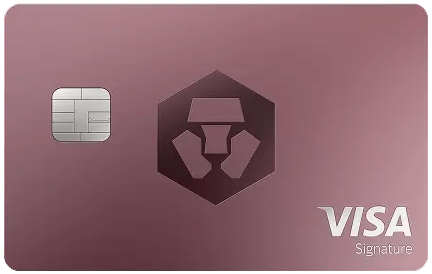
The Crypto.com Ruby Card offers 3.5% cashback, but fees or staking mean it pays off mainly for higher spenders.
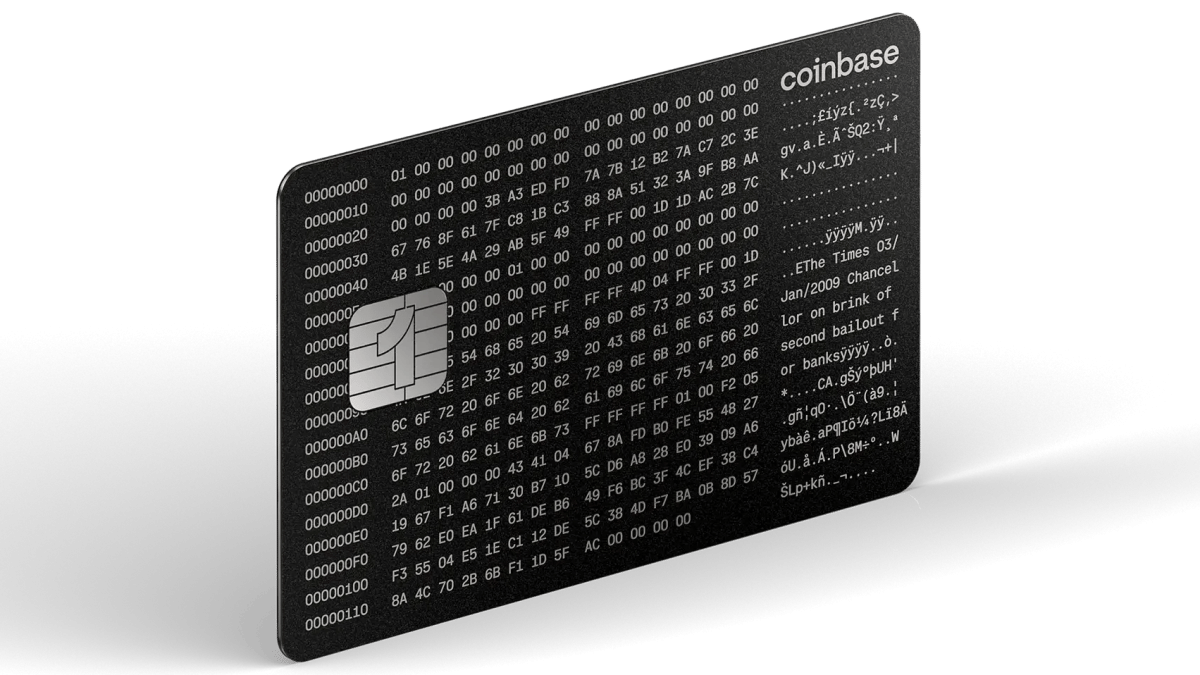
A metal American Express card that offers bitcoin rewards for Coinbase One members, but its value depends heavily on assets held with Coinbase.

A Visa debit card that lets US users spend directly from their Uphold balances and earn up to 4% back in XRP, dropping to 2% after 90 days.
The Gnosis Pay card links directly to a Safe wallet and offers up to 4% rewards, making it a strong choice for DeFi users willing to hold GNO.
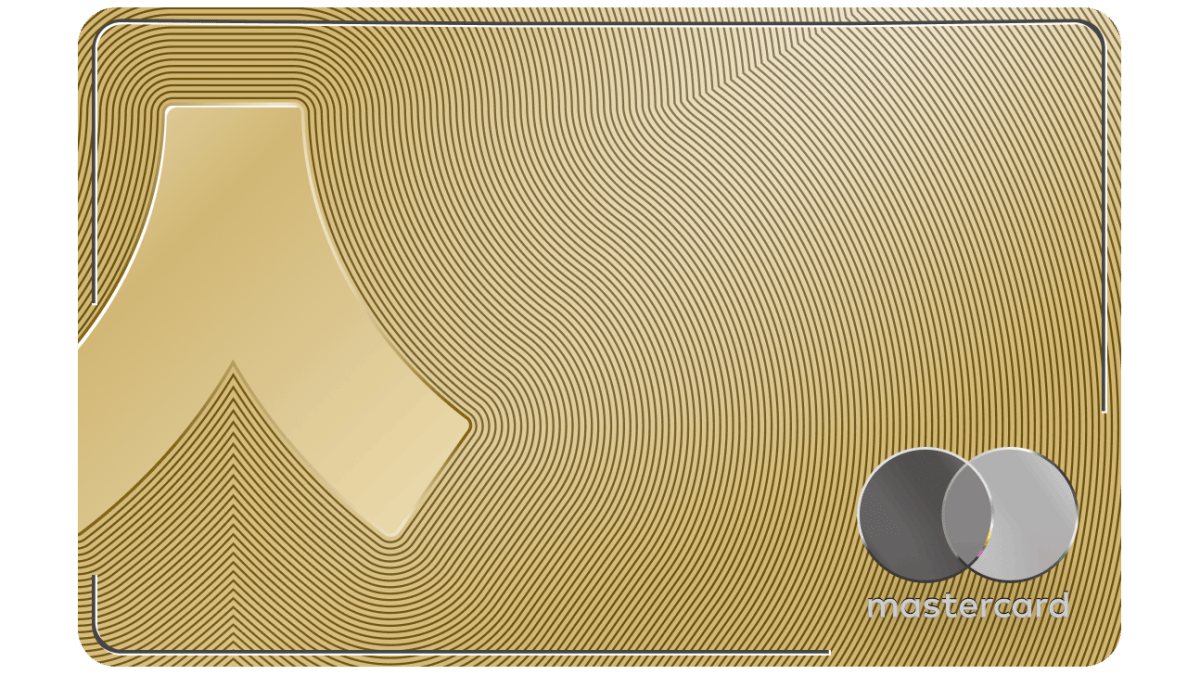
The Ready Metal Card is a self-custody debit card that pays 3% cashback in STRK and includes exclusive partner perks. Use the code THEBLOCK for a 15% discount.
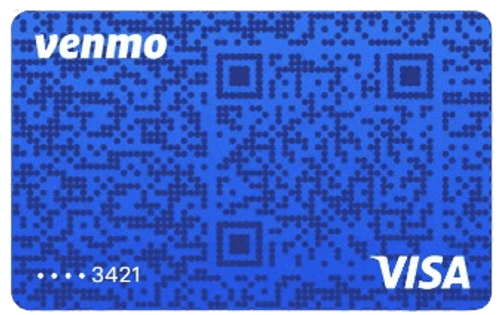
The Venmo Card offers up to 3% cashback with no caps, though most users will see closer to 1–2% based on their spending mix.

The Bybit Card advertises up to 10% cashback, but caps and fees mean most users will see an effective rate closer to 2–4%.

The MetaMask Virtual Card lets users spend tokens straight from their wallet with 1% rewards, but fees on certain transactions limit its everyday value.
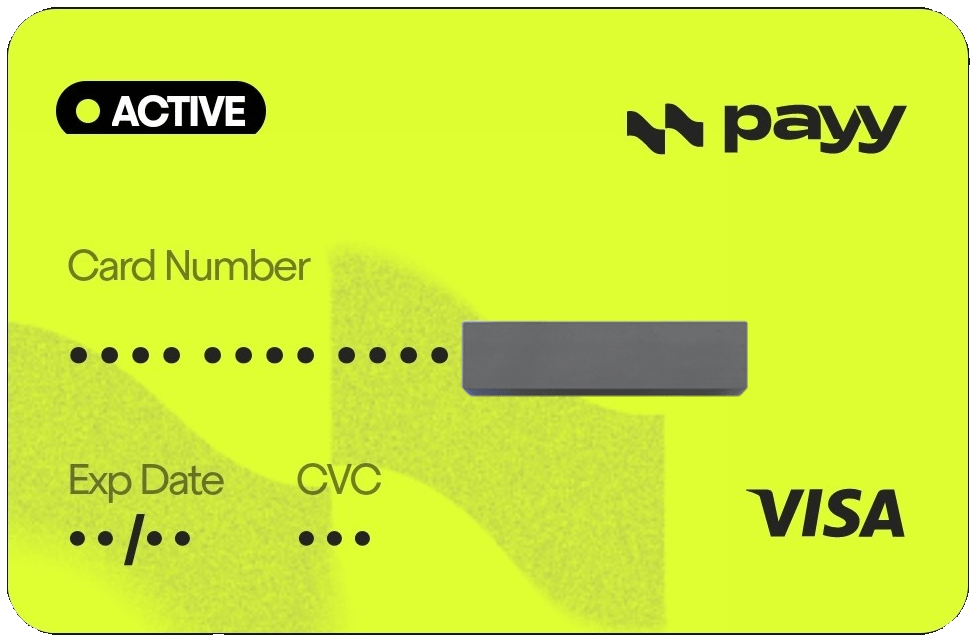
The Payy Card offers privacy-focused spending with a unique light-up design, but currently lacks rewards to make it financially competitive.
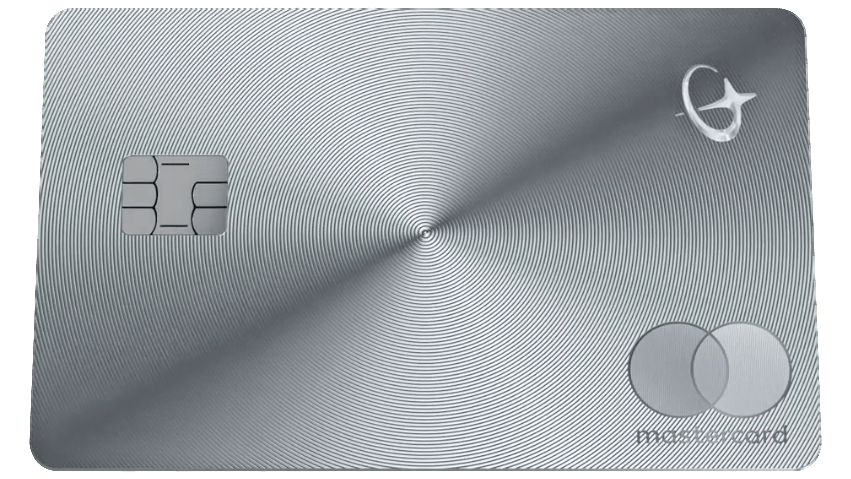
Bleap offers a non-custodial crypto debit card with clean 2% USDC cashback and no FX fees, but a low monthly cap reduce its practical earning potential.
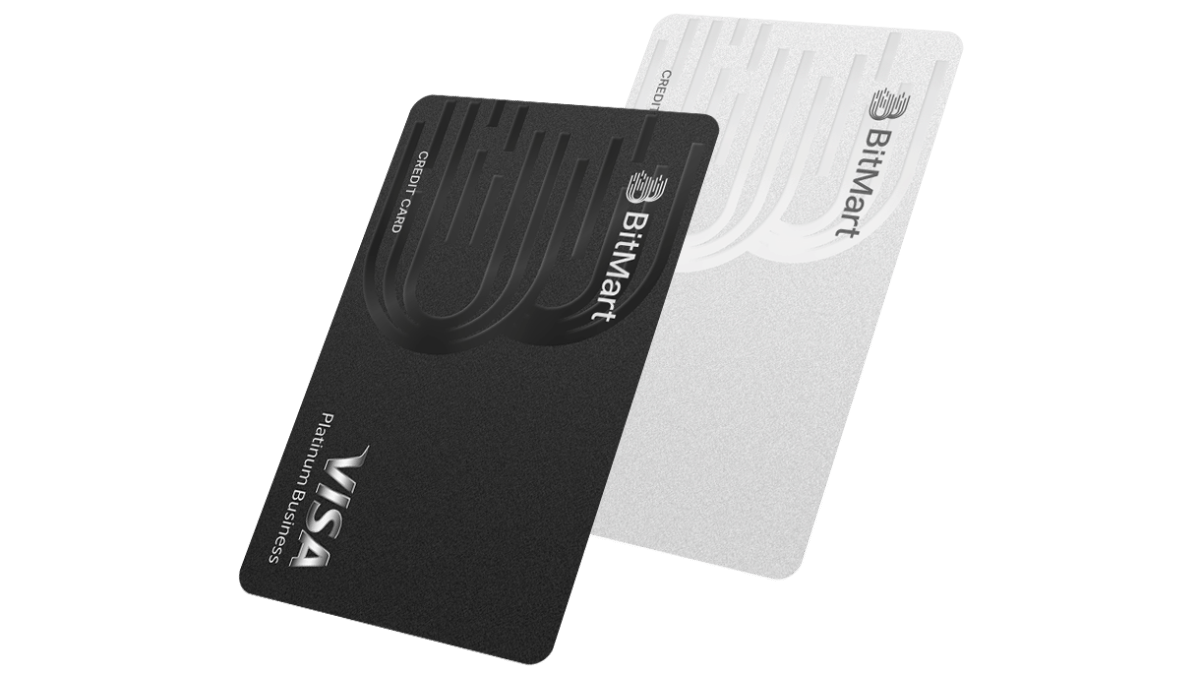
BitMart’s Visa card offers tiered cashback and solid usability, but the highest benefits are locked behind high exchange activity and holdings.

The Plutus Card advertises 3% cashback, but caps and subscription fees mean most users earn closer to 0.75–1.5% depending on tier.

The Solayer Emerald Card combines DeFi yield with spending rewards, but fees and limited access make it best for Solayer’s crypto-native community.
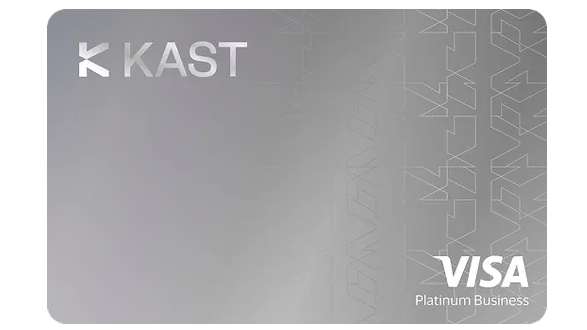
A card with token-based rewards that look high on paper but depend on a future $KAST token and unlocks, so effective rates probably land closer to 1–2% for most users.

The Crypto.com Ruby Steel Debit Card offers 2% cashback with a $25 monthly cap but the monthly fees can eat into the rewards.

The Coinbase Debit Card is convenient for existing Coinbase users, but unclear spreads and weak rewards make it hard to recommend for earning.
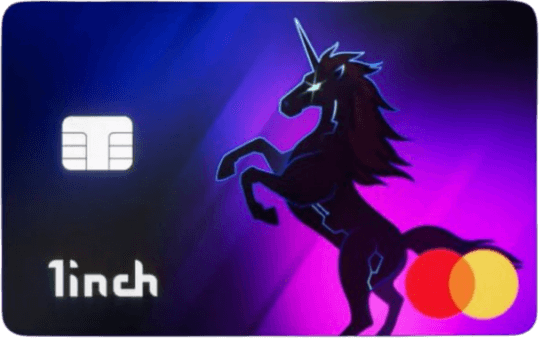
The 1inch Debit Card links wallets to real-world payments with up to 2% rewards, but high fees largely cancel out its benefits.

The Wirex Card is widely available, but most users earn only about 1% back, with higher advertised rates locked behind costly subscriptions and token requirements.
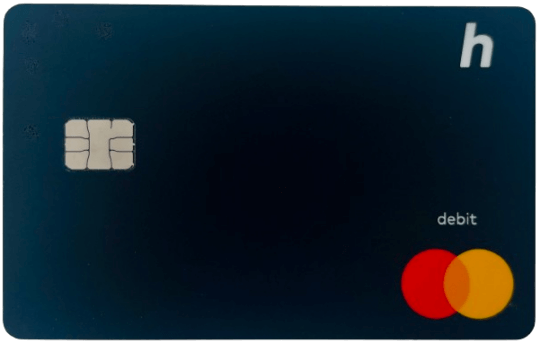
The Holyheld Card offers 0.5–1% USDC cashback, but high upfront fees mean it only makes sense for heavy, consistent spenders.
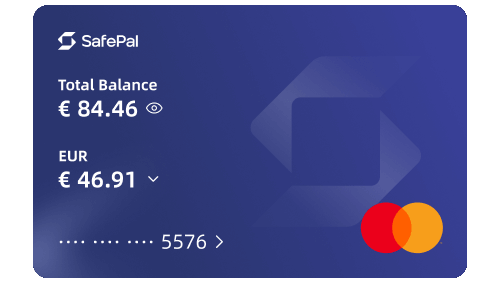
SafePal’s Card is a compliant crypto-fiat bridge designed for convenience and regulatory assurance rather than high-yield rewards.
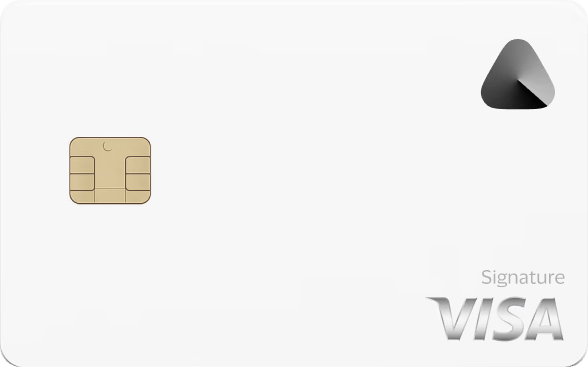
The Avici Card provides a simple way to spend crypto worldwide, but with no crypto rewards it mainly serves as a basic payments tool.
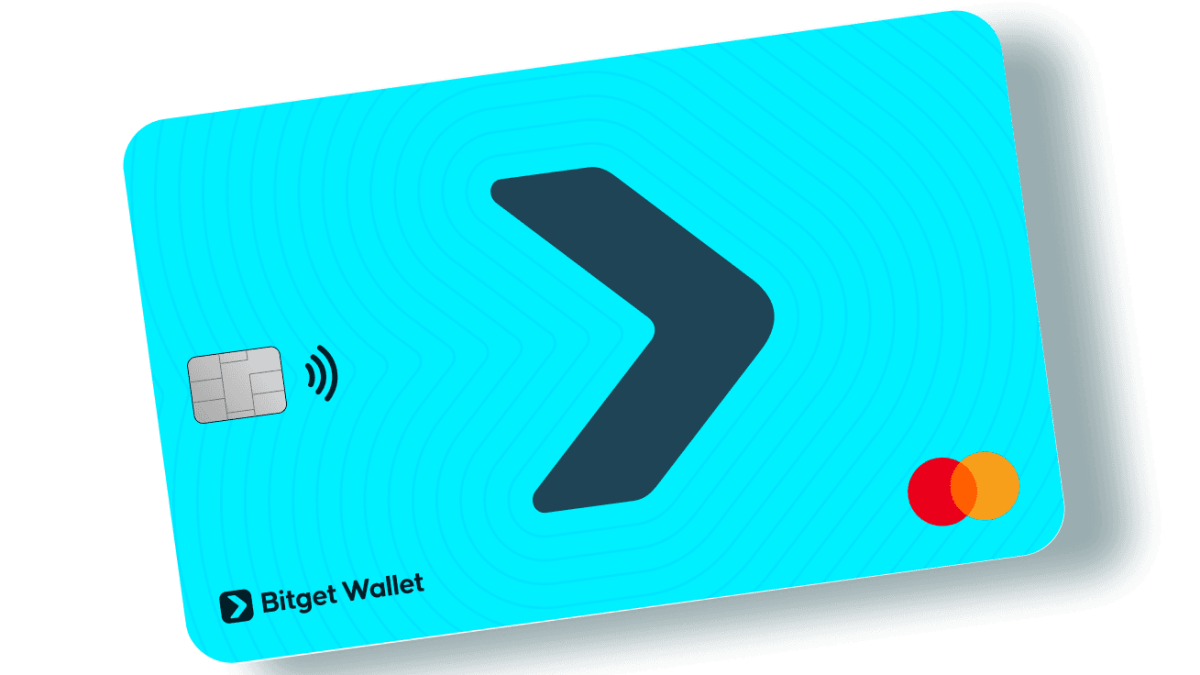
Bitget Wallet Card lets users spend crypto through Visa in nine Asia-Pacific markets with low fees and broad network access, but lacks any direct rewards on spending.
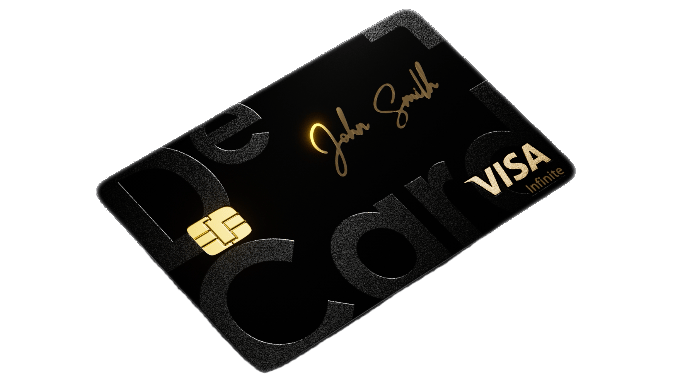
DeCard Luminaries blends crypto funding with premium Visa perks, but its steep annual fee and narrow eligibility limit its value outside a small executive niche.
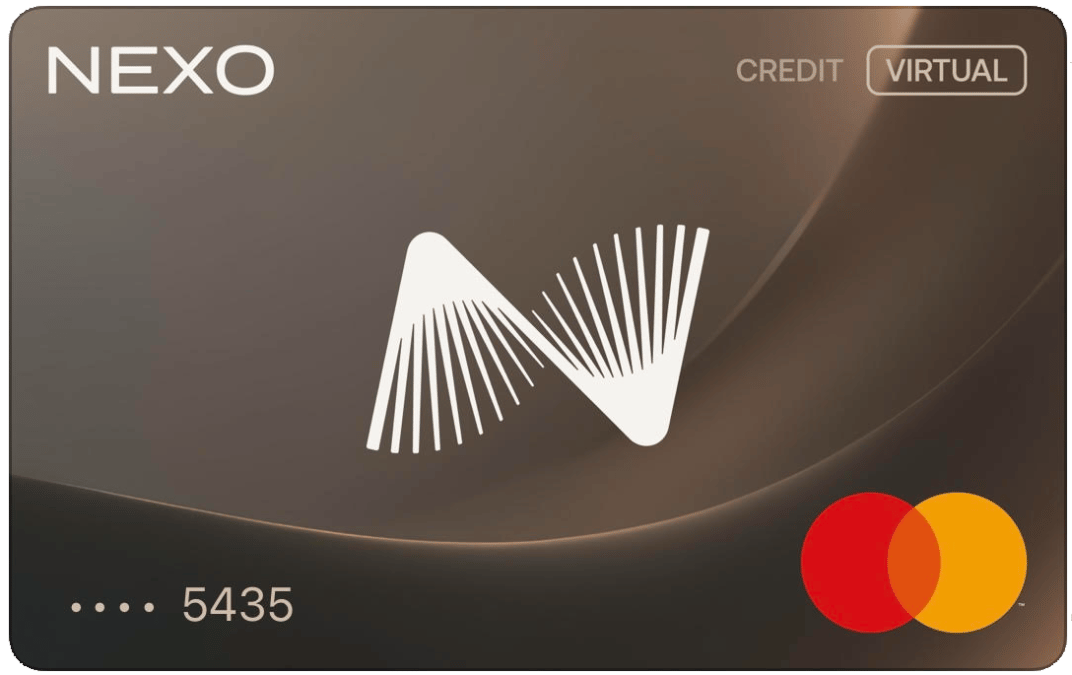
The Nexo Crypto Card is a virtual or physical debit card that offers crypto rewards in credit mode but no rewards in debit mode.

The Avalanche Card lets users spend AVAX and stablecoins directly via Visa with self-custody, but offers no clear rewards and limited features compared to other crypto cards.

The CoinJar Card offsets its 1% purchase fee with points worth up to 2%, leaving most users with little or no net cashback.
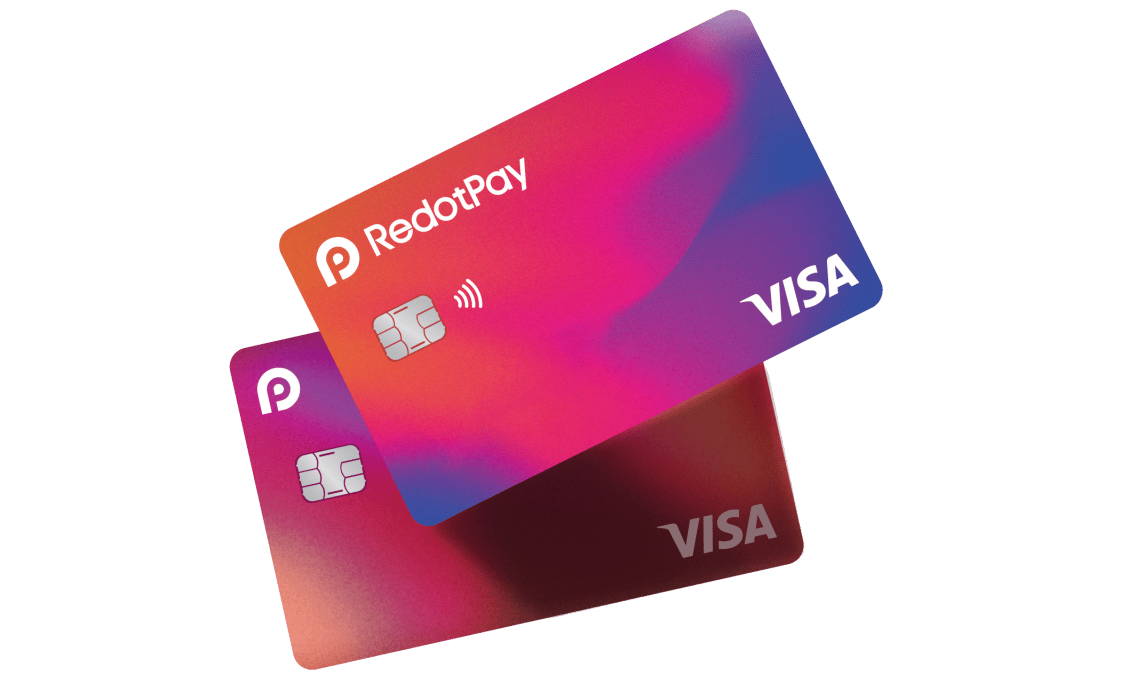
RedotPay offers a stablecoin-funded Visa card for global spending with broad acceptance and high limits, but no rewards and relatively high transaction fees.
How we score crypto rewards cards
Our scores are based on more than just the headline reward rate. We look at how practical the card is in real use and whether the rewards really hold up once you factor in the fine print.
-
Effective rewards, not marketing rates: We calculate what you actually earn after caps, categories, and spreads. A card that advertises “10% back” but caps you at $25 a month won’t score as high as one that delivers a steady 2–3% on real spend.
-
Costs and fees: Annual fees, foreign exchange charges, ATM withdrawals, conversion spreads, and inactivity penalties all reduce real returns. Cards with hidden or high fees get marked down.
-
Token lockups and exposure risk: Some products require you to stake or hold volatile tokens to unlock better rewards. That risk is penalized in the score.
-
Complexity vs simplicity: Tiered reward systems or rotating categories that make you optimize every spend score lower than cards with straightforward flat rates.
-
Security and custody: Whether funds are custodial or non-custodial, plus the protections and reputation of the issuer, feed into the security score.
-
Usability: Availability by region, sign-up friction, mobile app experience, and everyday payment limits all factor into usability.
The result is a single score that reflects how a typical user will experience the card — not just the numbers in the marketing.
Frequently Asked Questions
Disclaimer
The Block evaluates products and services based on merit and relevance to our readers, independent of compensation. However, we may receive compensation in the form of affiliate commissions when you click on certain links or when sponsored products and services are featured on our site. This compensation may influence how, where, and in what order products appear, but it does not affect our editorial integrity. Why trust us?
We aim to provide a broad view of crypto products and services, but we do not necessarily cover every option available in the market.
The Block does not offer financial, investment, tax, or brokerage advice. While we strive to provide accurate and up-to-date information to help readers make informed decisions, we do not provide personalized recommendations. Always verify product details (including rates, terms, and eligibility) directly with the provider before applying or signing up. Offers are subject to change and are presented without warranty. After clicking on an offer, you will be directed to the issuer’s website, where you can review the applicable terms and conditions.
Ownership Disclosure
Disclaimer: The Block is an independent media outlet that delivers news, research, and data. As of November 2023, Foresight Ventures is a majority investor of The Block. Foresight Ventures invests in other companies in the crypto space. Crypto exchange Bitget is an anchor LP for Foresight Ventures. The Block continues to operate independently to deliver objective, impactful, and timely information about the crypto industry. Here are our current financial disclosures.
